


Sterilization is the process of eliminating all living forms and types of microorganisms (whether pathogenic or non-pathogenic), as well as their spores, from items subjected to the sterilization procedure.
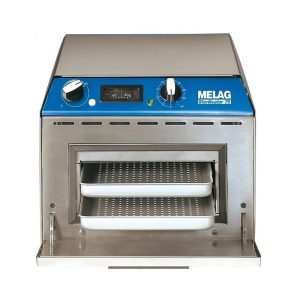
Sterilizing pedicure tools is crucial for safety; it involves disinfecting the tools (by soaking them in a solution immediately after use) followed by actual sterilization of metal instruments using methods such as an autoclave (pressurized steam: 121°C for 15–20 min or 134°C for 3–7 min) or dry heat (160–180°C for 60–120 min), and finally packaging them in sterile pouches. This process eliminates all microorganisms and ensures complete decontamination for future use.
Pedicure Tool Sterilization Procedure:
1. Cleaning (preparation) – immediately after use, instruments (nippers, scalpels, tweezers) must be washed and
2. placed in a container with a professional disinfectant solution, adhering to instructions regarding concentration and duration (e.g., 15–120 min). This step performs disinfection, which removes most microbes but not spores.
3. After washing and disinfection, the tools must be rinsed and dried.
4. Next, the clean, dry instruments are placed into a sterilizer or autoclave to undergo sterilization—that is, the elimination of ALL microorganisms:
Autoclave – the most effective method, utilizing pressurized steam to achieve 100% sterilization. Cycles: 121°C (15-20 min) or 134°C (3-7 min) or
Dry heat – dry air sterilizer: for materials resistant to high temperatures: 160-180°C (60-120 min).
5. Packaging and Storage – after sterilization, the instruments can be packed in sterile bags with indicators and stored in a dry and dark place until use.
Important: for instruments that come into contact with the skin (pierce the epidermis), the autoclave is the gold standard. Disposable material is thrown away, and appropriate disinfection is used for thermolabile materials.
Disinfection of files and other tools that cannot be sterilized – after washing in a disinfectant, they should be placed in:
Ultrasonic sterilizer (used for cleaning and disinfection, often before final sterilization) or
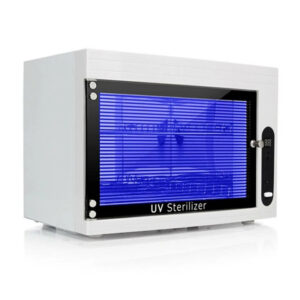
UV-C sterilizers (use UV light for disinfection, but not sterilization).
Split, 16.1.2026.
Written by: Danijela Rašić, MD.
Sources: Working instructions for the use of biological indicators for the purpose of controlling the microbiological correctness of the sterilization cycle, written by: Sanja Pupić, Master of Sanitary Engineering
https://www.art-kozmetika.hr/objave/odgovarajuca-sterilizacija-i-dezinfekcija
